Summary
Social media, workplace competition, and modern success culture often create unrealistic expectations for young professionals. This article explains practical ways to manage social comparison and pressure while building confidence, emotional balance, and long-term career satisfaction.
Introduction
Today’s young professionals live in a highly connected world where everyone’s achievements appear visible online. Promotions, luxury lifestyles, business success, and personal milestones constantly appear on social media feeds. As a result, many people feel trapped in a cycle of comparison and self-doubt. For US young professionals, Social Comparison and Pressure can negatively affect confidence, productivity, and mental well-being.
Although ambition can motivate growth, unhealthy comparison often creates anxiety and emotional exhaustion. Therefore, learning how to manage external pressure becomes essential for maintaining both professional success and personal happiness.
Why Social Comparison Happens
Humans naturally compare themselves to others. In professional environments, people often evaluate their salaries, careers, appearance, education, or lifestyle against peers. Furthermore, social media intensifies this habit because users usually share only their best moments.
Consequently, young professionals may believe they are falling behind even when they are making meaningful progress. Over time, this mindset creates stress, insecurity, and frustration.
Additionally, modern workplace culture sometimes rewards visible success more than personal balance. Because of this, many employees feel pressured to constantly achieve more without appreciating their current accomplishments.
The Hidden Effects of Constant Comparison
Uncontrolled comparison can damage emotional and professional well-being in several ways.
1. Reduced Self-Confidence
When individuals constantly focus on others’ achievements, they often ignore their own progress. Eventually, this weakens self-esteem and creates unnecessary doubt.
2. Increased Anxiety and Stress
Many young professionals feel pressure to meet unrealistic timelines for success. As a result, they may experience burnout, sleep problems, and emotional exhaustion.
3. Loss of Personal Direction
Comparison can distract people from their true goals. Instead of following personal values, they begin chasing lifestyles or careers that may not actually fulfill them.
4. Decreased Productivity
Negative thinking consumes mental energy. Therefore, professionals who constantly compare themselves may struggle to focus on meaningful work.
How to Overcome Social Comparison and Pressure
Focus on Personal Growth
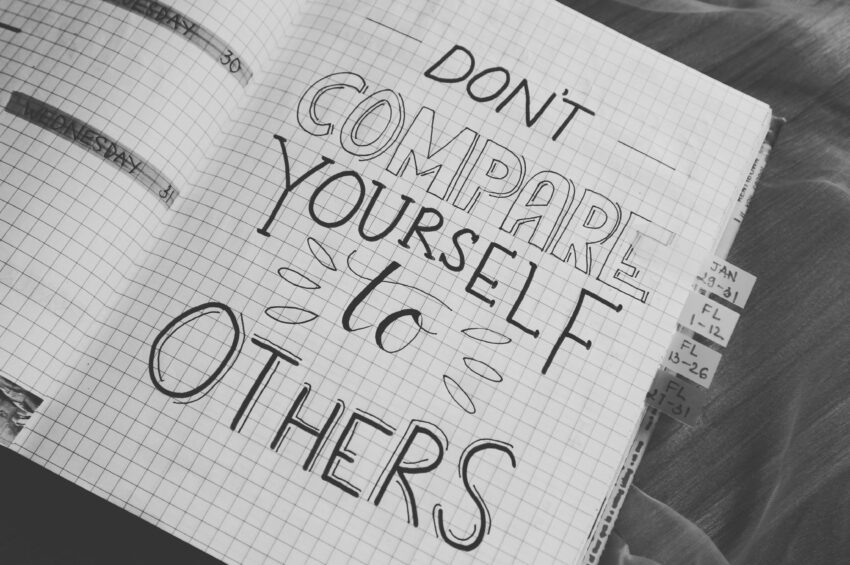
The most effective way to reduce comparison is to measure progress against your past self rather than against others. Everyone has different opportunities, challenges, and timelines. Therefore, personal improvement matters more than external validation.
Instead of asking:
- “Why am I behind others?”
Ask:
- “Am I improving compared to last year?”
This mindset creates healthier motivation and long-term confidence.
Limit Harmful Social Media Consumption
Social media often presents unrealistic versions of reality. People rarely post failures, struggles, or difficult moments. Because of this, online content can create false expectations about success.
Young professionals should intentionally reduce exposure to content that triggers insecurity or stress. Additionally, following educational, motivational, or wellness-focused accounts can create a healthier digital environment.
Small changes in online habits can significantly reduce social comparison and pressure over time.
Define Your Own Version of Success
Success means different things to different people. For some individuals, success may involve career advancement. For others, it may include financial freedom, mental peace, family time, or creative fulfillment.
Therefore, young professionals should clearly define what success personally means to them. Once goals become personal and meaningful, external comparison loses much of its power.
Practice Gratitude Daily
Gratitude shifts attention from what is missing to what already exists. Even small daily reflections can improve emotional balance and confidence.
For example, professionals can write down:
- Three accomplishments
- Positive experiences
- Skills they improved
- Things they appreciate
This habit helps train the mind to recognize progress rather than focusing only on perceived shortcomings.
Build Real-Life Connections
Healthy friendships and supportive communities provide emotional stability. Talking openly with trusted people often reveals that many others experience similar fears and insecurities.
Furthermore, genuine relationships reduce isolation and remind individuals that social media rarely reflects complete reality.
Strong support systems make it easier to manage workplace stress and personal pressure.
Accept That Progress Takes Time
Many successful careers develop slowly through consistency, patience, and learning from mistakes. However, modern culture often promotes instant success stories that create unrealistic expectations.
Young professionals should remember that setbacks and delays are normal parts of growth. Long-term success usually comes from persistence rather than speed.
Once people accept their own timeline, they experience less emotional pressure and greater peace of mind.
Building Confidence in a Competitive World
Confidence grows when people focus on actions within their control. Therefore, young professionals should invest energy into:
- Learning new skills
- Improving communication
- Building healthy habits
- Managing finances wisely
- Protecting mental health
These areas create real, sustainable growth. In contrast, comparison only creates temporary emotional reactions.
Overcoming Social Comparison and Pressure does not mean losing ambition. Instead, it means pursuing success without sacrificing emotional well-being.
Conclusion
Modern society constantly encourages comparison, especially among young professionals navigating careers, finances, and personal growth. However, true success comes from building a meaningful life rather than competing with everyone else.
By focusing on personal progress, limiting unhealthy comparison, practicing gratitude, and defining individual goals, young professionals can protect their confidence and mental health. Although pressure may always exist, it does not need to control daily life.
When individuals stop measuring their worth through others’ achievements, they create space for authentic growth, balance, and long-term fulfillment.
Read more about Top Challenges US Young Professionals Face