Introduction
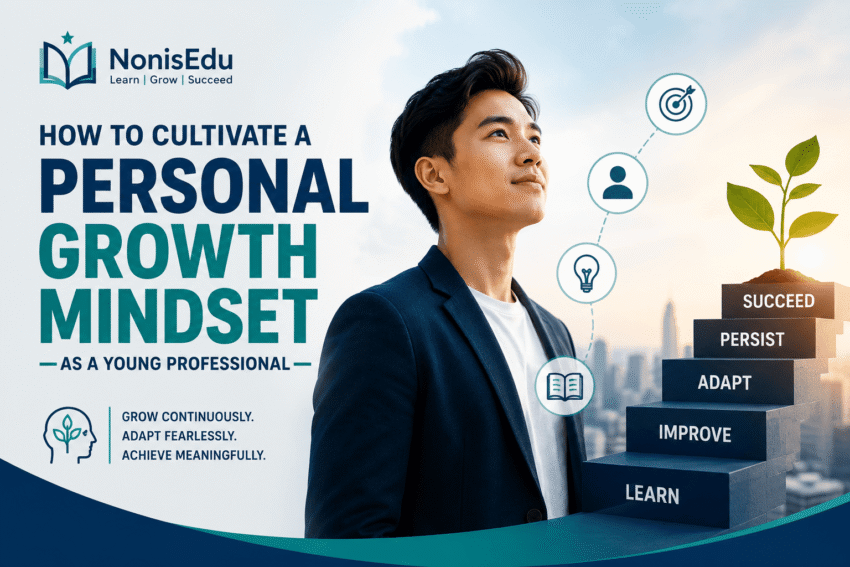
Success in today’s professional world requires more than technical skills and qualifications. Young professionals who continue to learn, adapt, and improve are often the ones who achieve long-term career growth. One of the most valuable traits that supports this journey is developing a personal growth mindset.
A personal growth mindset is the belief that abilities, knowledge, and skills can be developed through effort, learning, and persistence. Instead of viewing challenges as obstacles, individuals with a growth mindset see them as opportunities to improve and gain experience.
In this article, we’ll explore what a personal growth mindset is, why it matters, and practical ways young professionals can cultivate it in their daily lives.
What Is a Personal Growth Mindset?
A personal growth mindset is the belief that personal and professional development is an ongoing process. Rather than assuming that intelligence, talent, or abilities are fixed, people with a growth mindset understand that improvement comes through continuous learning and effort.
This mindset encourages individuals to:
- Embrace challenges
- Learn from mistakes
- Seek feedback
- Develop new skills
- Stay resilient during setbacks
For young professionals entering competitive industries, this way of thinking can create significant advantages over time.
Why a Personal Growth Mindset Matters
The workplace is constantly evolving. New technologies, changing business needs, and emerging trends require professionals to remain adaptable.
A strong personal growth mindset helps you:
Adapt to Change
Professionals who are open to learning can adjust more effectively when new responsibilities, tools, or challenges arise.
Build Confidence
Confidence grows when you consistently prove to yourself that you can learn and improve through effort.
Increase Career Opportunities
Employers value individuals who take initiative, seek development opportunities, and demonstrate a willingness to grow.
Strengthen Resilience
Setbacks are inevitable in any career. A growth mindset helps you recover faster and use failures as learning experiences.
1. View Challenges as Learning Opportunities
Many professionals avoid difficult tasks because they fear failure. However, growth often occurs outside your comfort zone.
When faced with a challenge:
- Focus on what you can learn.
- Break large tasks into smaller steps.
- Remind yourself that skill development takes time.
Each challenge becomes an opportunity to expand your capabilities and gain valuable experience.
2. Embrace Constructive Feedback
Feedback can sometimes feel uncomfortable, especially early in your career. However, constructive feedback is one of the fastest ways to improve.
Instead of taking criticism personally:
- Listen carefully.
- Ask clarifying questions.
- Identify specific actions for improvement.
Professionals who actively seek feedback often develop faster than those who avoid it.
3. Develop a Habit of Continuous Learning
Learning should not stop after graduation. The most successful professionals consistently invest in their personal and professional development.
Consider:
- Reading industry-related books
- Taking online courses
- Attending workshops
- Listening to educational podcasts
- Following industry experts
Even dedicating 15 to 20 minutes daily to learning can produce significant long-term benefits.
4. Learn from Mistakes Instead of Avoiding Them
Mistakes are a natural part of growth. Every successful professional has experienced failures and setbacks along the way.
When mistakes happen:
- Analyze what went wrong.
- Identify lessons learned.
- Create a plan to improve next time.
Treat mistakes as valuable feedback rather than evidence of inadequacy.
5. Set Personal Development Goals
A personal growth mindset thrives when you have clear goals for improvement.
Examples include:
- Improving communication skills
- Learning leadership techniques
- Building emotional intelligence
- Enhancing time management abilities
- Developing technical expertise
Setting measurable goals provides direction and keeps your growth journey intentional.
6. Surround Yourself with Growth-Oriented People
The people around you can significantly influence your mindset.
Seek relationships with:
- Mentors
- Supportive colleagues
- Professional communities
- Lifelong learners
Being around individuals who value growth and development can inspire you to continue improving.
7. Practice Self-Reflection Regularly
Self-reflection helps you identify progress, recognize areas for improvement, and stay aligned with your goals.
Consider asking yourself:
- What did I learn this week?
- What challenges did I overcome?
- What skills do I need to develop next?
- How can I improve my performance?
Journaling is an excellent tool for tracking personal growth and maintaining self-awareness.
8. Celebrate Progress, Not Just Results
Many young professionals focus only on major achievements and overlook smaller improvements.
Recognizing progress helps maintain motivation and reinforces positive habits.
Celebrate accomplishments such as:
- Learning a new skill
- Completing a challenging project
- Improving communication
- Building better routines
Small wins create momentum that leads to larger successes over time.
Common Obstacles to Developing a Personal Growth Mindset
While the benefits are significant, several challenges can slow personal growth:
Fear of Failure
Fear often prevents individuals from taking risks or pursuing new opportunities.
Comparison with Others
Constantly comparing your progress to others can reduce confidence and motivation.
Negative Self-Talk
Limiting beliefs can create unnecessary barriers to growth.
Lack of Patience
Meaningful development takes time. Sustainable growth is built through consistent effort rather than quick results.
Recognizing these obstacles is the first step toward overcoming them.
Final Thoughts
Developing a personal growth mindset is one of the most valuable investments a young professional can make. It encourages continuous learning, strengthens resilience, and creates opportunities for both personal and career advancement.
Growth does not happen overnight. It is the result of small, consistent actions repeated over time. By embracing challenges, learning from mistakes, seeking feedback, and committing to lifelong learning, you can build a mindset that supports success throughout your professional journey.
Remember, your potential is not fixed. Every day presents a new opportunity to learn, improve, and become a better version of yourself.